Long before a child writes a legible letter, their hand is doing quiet, invisible work. Holding a pencil without a death grip. Guiding a crayon in a straight line instead of a scribble. Sitting still enough, and focused enough, to finish a single page.
None of that happens automatically. It’s built, slowly, through fine motor practice, and it’s a bigger job than most parents realize. Fine motor skills for preschoolers, kindergarteners, and early primary students cover a wide range of small, coordinated hand movements, and strengthening them is one of the most direct ways to set a child up for success with handwriting and classroom focus.
Why Fine Motor Skills Matter for Writing and Focus
According to Understood.org’s overview of fine motor development, fine motor skills are the small, coordinated movements of the hands and wrists that a child relies on for everyday tasks and, eventually, for writing itself. Research published through the American Occupational Therapy Association’s journal notes that fine motor difficulties, especially with paper and pencil tasks, are the single most common reason a child gets referred to occupational therapy in school.
The connection to focus is just as real as the connection to handwriting. A child whose hand tires or cramps a few minutes into a fine motor task isn’t choosing to lose interest, their hand muscles simply haven’t built the endurance yet. Strengthening those muscles ahead of time means a child can sit with a task longer, because the physical part of it has stopped being the hard part.
Pencil Control Comes First
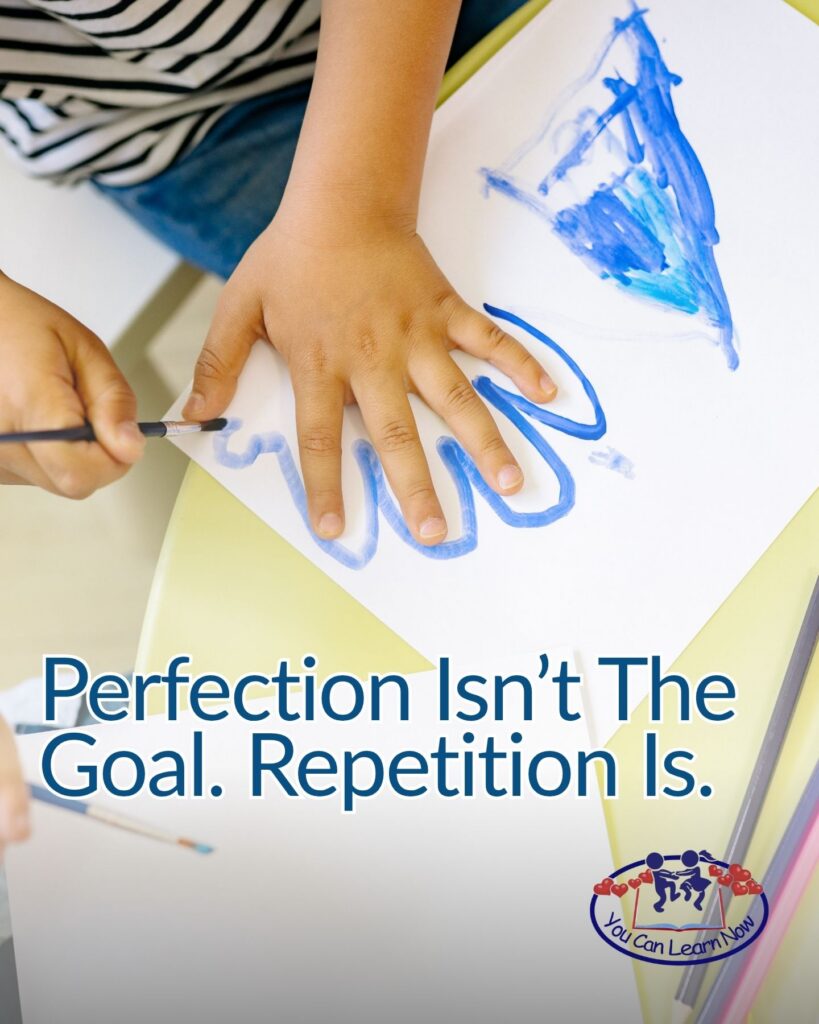
Before letters, there’s the pencil itself. Holding it between the thumb and fingers instead of a fist, keeping steady pressure on the page, moving it in a controlled line rather than a scribble, these are their own skills, separate from knowing the alphabet. Simple pencil strokes, straight lines, wavy lines, zigzags, are the unglamorous starting point, and they matter more than they look like they should. A child who has practiced pencil control has an easier, calmer time when it’s finally time to form an actual letter, because the hand already knows what to do.
Tracing Shapes, Letters, and Numbers Builds the Bridge
Tracing is where pencil control starts to have a destination. Following the outline of a shape, then a letter, then a number, asks a child to guide the pencil with intention rather than just moving it. This is the bridge between loose pencil strokes and real handwriting, and it’s worth giving it real time rather than rushing straight to independent letter formation.
Mazes, Dot to Dots, and Name Writing Add Purpose to the Pencil
Once pencil control and tracing feel comfortable, mazes and dot-to-dots raise the stakes in a fun way, asking a child to guide the pencil toward a specific goal instead of just following a line. Name writing practice pulls everything together into something personal. A child who can trace their own name feels a version of pride that a worksheet rarely provides, and that motivation carries over into every other kind of pencil work.
Scissors and Cutting Are Part of the Picture, Not the Whole Picture
Scissor skills belong in the same fine motor toolbox, working many of the same hand and wrist muscles that pencil control relies on. A child doesn’t need to master cutting before writing, but time spent with child safe, blunt tip scissors in short, low pressure sessions builds hand strength that carries over directly to a steadier pencil grip.
Playdough Mats and Dot Marker Work: Practice That Doesn’t Feel Like Practice
Some of the best fine motor practice doesn’t look like practice at all. Rolling playdough into snakes, pinching it into pancakes, and squeezing it into balls works the exact muscles at the base of the thumb and fingers that pencil grip depends on most.
Dabbing a dot marker across a page builds a similar pincer grip in a way that feels more like play than work. Neither requires a worksheet, and both build the same underlying hand strength as more formal pencil tasks.
Letting the Process Take Its Time
None of this needs to be rushed. A child’s first pencil strokes will wander off the line, their first traced letters will drift, and that’s simply what building a genuinely complex set of hand skills looks like from the inside. Fine motor skills for preschool, kindergarten, and early primary students develop gradually, through a mix of purposeful practice and ordinary play, and every wobbly attempt is doing real work toward the steady, focused hand a child will eventually have without thinking about it.
If you’re looking for a single resource that covers this whole range in one place, our Fine Motor Skills Practice: Build Strong Little Hands walks kids through pencil strokes and control, shape, letter, and number tracing, mazes, dot to dots, and name writing, scissor skills and cutting, and playdough mats and dot marker work, all built to strengthen hand control, coordination, focus, and confidence.
It’s ready to print for centers and homeschool, or pull up on a SMART board to demonstrate for a class.
Practice early and practice often, and soon your young learner will be ready to write with command and confidence.
Want a great resource to help your child enjoy learning to write with a pencil? Check this out: LINK