
Ask a room full of kindergarten teachers what they wish every incoming student knew, and letters come up before numbers, before shapes, before almost anything else. That’s not tradition talking. It’s data.
The National Early Literacy Panel spent years reviewing early literacy research and landed on a striking conclusion: alphabet knowledge is the single strongest predictor of later reading success, ahead of vocabulary, ahead of general cognitive ability, ahead of almost every other early skill researchers measured, according to Reading Rockets. The importance of learning the alphabet isn’t a matter of opinion among early childhood educators. It’s about as close to settled science as this field gets.
That finding surprises some parents, mostly because letters can feel like the easy part compared to phonics or sentence structure. But alphabet knowledge is really two skills braided together: recognizing what a letter looks like, and knowing what sound it makes. A child who can do both has already built the foundation everything else in reading gets stacked on top of. Skip that foundation, and later reading instruction has nothing solid to attach to.
Why Letter Recognition Comes Before Everything Else
Reading only works because printed symbols stand in for spoken sounds, and a child has to crack that code before a page of text means anything at all. Reading Rockets puts it simply: if a child doesn’t understand printed symbols on a page, they can’t read words or unlock their meaning. Letter recognition is the doorway into that whole system, which is why kindergarten teachers assess it so early and so often.
The timeline researchers describe lines up with what most parents already sense intuitively. Alphabet knowledge typically starts developing before a child ever sets foot in a classroom, and by the end of first grade, most kids have the whole alphabet down. Preschool and the start of kindergarten are the years where this skill is actively taking shape, which makes them the highest-leverage window for building it, not through pressure, but through repetition and exposure.
It also helps to know this isn’t a fringe finding from one study. Multiple later reviews of the research have confirmed that alphabet knowledge keeps its predictive power even after researchers control for other factors like IQ or family income, meaning it’s not just a stand-in for general smarts or advantage. It’s doing real, independent work in setting kids up to read.
Teaching the Alphabet Without Turning It Into a Drill
Here’s the part that tends to relieve parents: none of this requires flashcard marathons. Teaching the alphabet works best when it’s playful and woven into ordinary moments rather than treated as a standalone lesson. Pointing out letters on cereal boxes, street signs, and grocery lists does more than people expect, because it shows a child that letters are everywhere and mean something, not just symbols confined to a workbook. Singing alphabet songs, building letters out of playdough, and tracing letter shapes in a sensory bin all activate the same recognition skills, just through a body and senses instead of a worksheet.
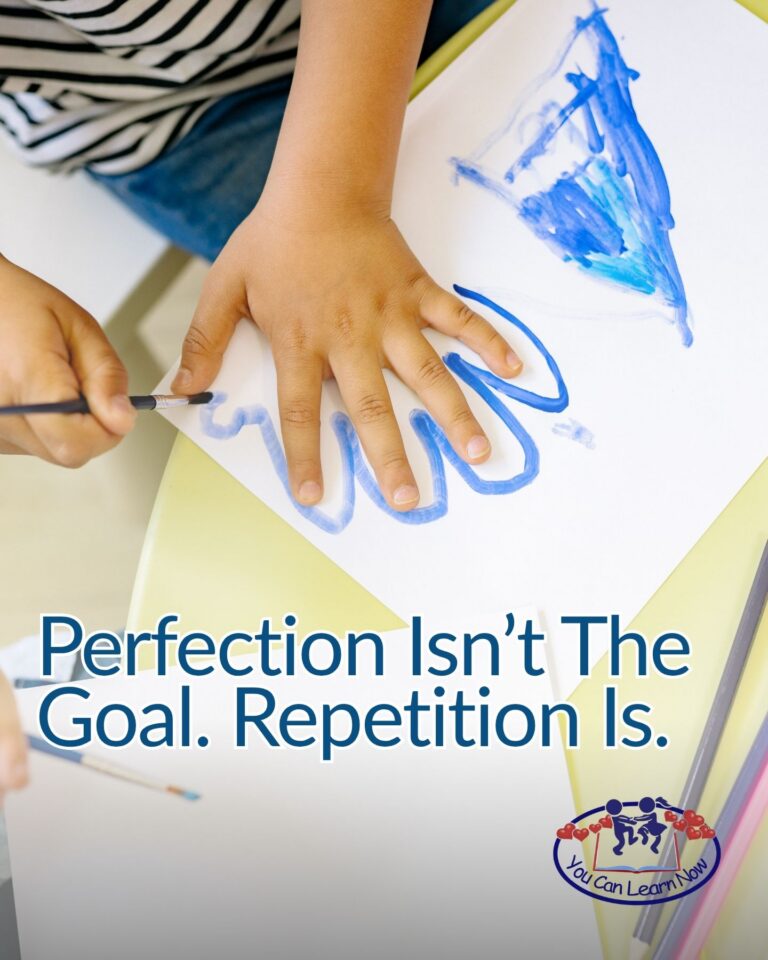
Letter formation, actually writing the letters, deserves its own patience. Before a child can form a legible letter, their hand needs the fine motor strength to hold a pencil with some control, and that strength builds gradually through activities long before it shows up on paper. Tracing is one of the most effective ways to bridge that gap, because it gives a child a guided path to follow while their hand muscles are still catching up to what their eyes already recognize.
This is exactly the space our Fine Motor Skills Practice. It reinforces the movements needed to write the alphabet using a repetitive, low-pressure routine, the same approach classroom teachers lean on to move a child from tracing an outline with their fingers to confidently writing their name. It’s designed for exactly the kind of practice this section describes: short, playful, and consistent, rather than long and stressful.
Alphabet Tracing for Preschoolers, Kindergarteners, and Early Primary Kids
Alphabet tracing for preschoolers works differently than it does for a first grader, and that’s worth keeping in mind so nobody feels behind. A three or four-year-old might trace a letter shape with a finger in sand before ever picking up a pencil, and that’s genuine progress, not a shortcut around the real work.
A kindergartener is usually ready to move from finger tracing to pencil tracing, building the muscle memory that eventually lets letter formation happen without conscious effort. An early primary kid, first grade and up, is typically refining what’s already there, working on consistency and speed rather than learning the shapes from scratch.
What stays constant across all three stages is repetition without pressure. A child who traces the same practice cheerfully for two minutes a day is building more durable skill than one who’s drilled through the whole alphabet once under stress. Early literacy researchers have found that hands-on, multisensory practice, tracing, building letters with blocks, and forming them out of pipe cleaners, tends to stick better than passive memorization, because it gives the brain more than one way to store the information.
How Early Literacy Skills Turn Into Reading and Writing Confidence
The payoff for all this early practice shows up later, and it shows up as confidence as much as ability. A child who already knows their letters walks into phonics instruction with something to attach new information to. Sounding out a word requires connecting a printed letter to a spoken sound, and that connection is nearly instant for a child with strong alphabet knowledge and genuinely effortful for one without it. The gap between those two experiences compounds fast, because reading instruction moves forward assuming letters are already familiar.
Writing confidence follows a similar path. A child who has practiced forming letters enough times that their hand knows the motion can focus on spelling and ideas instead of struggling with the mechanics of the pencil itself.
That’s the real, quiet reward of early literacy skills built through tracing and letter play: not just knowing the alphabet, but having enough automatic comfort with it that reading and writing feel like accessible next steps instead of overwhelming new mountains.
None of this needs to be rushed. A few minutes a day, a favorite tracing book, a letter spotted on a street sign, and a child moving at their own pace toward the moment those twenty-six symbols stop being abstract shapes and start being the tools they’ll use for everything else. For more ideas on building that kind of steady, connected foundation at home, our posts on connecting before you teach and finding the right balance between screen time and real time cover the bigger picture this fits into.
Want a great resource to help achieve this? Check out our Alphabet Tracing Book.